A woman's body has unique nutritional requirements, which can be easily met by choosing the right kinds of food. And there are plenty of foods that are packed with nutrients specifically beneficial to women. Here we list five of them.
1. Soy
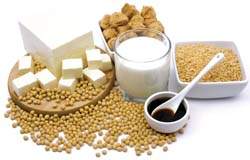 Soy contains isoflavones and has an antioxidant property. It is also a rich source of proteins and therefore extremely healthy for vegetarians. Soy also has good amounts of vitamins B-complex, minerals like calcium and iron and fibre.
Soybeans are versatile and can be used in the form of whole beans, sprouts, milk, tofu, tempeh [soybean patty], sauce, flour or miso [soybean paste].
Soy milk, readily available in the market, is easy-to-use and comes in different flavours—the most common being the chocolate flavour. Soy milk is lactose-free [milk sugar] and therefore can also be consumed by people who are lactose intolerant.
Tofu or soy cheese/curd/paneer is a bland-tasting product, which absorbs the flavour of other ingredients. There are three types of tofu available—firm, soft and silken. Tofu can be stored up to three months in the refrigerator but the texture becomes more chewy and harder.
Soy flour is rich in calcium, proteins and fibre along with the isoflavones. Overall, soy lowers cholesterol, prevents cancer [especially breast cancer], regulates female hormones that are beneficial during menopause and prevents osteoporosis.
Preferred intake: 25g of soy daily.
2. Nachni/ragi
 Also known as finger millet, ragi is rich in proteins, essential amino acids, vitamin A, B, fibre and phosphorous. Ragi also contains high amounts of calcium and iron having no parallel among cereals for these minerals.
Ragi is good for children, pregnant and lactating women due to its high calcium and iron content. The fibre lowers cholesterol, maintains blood sugar levels and aids in weight loss. It also regulates the digestive system and prevents constipation. It also has a high glycemic index and is good for people with diabetes.
According to ayurveda, ragi is an excellent antacid and helps in improving blood production.
Ragi can be consumed as rotis or bhakris, biscuits, khakra, chivda or cookies or as you may like.
Preferred intake: Replace wheat with ragi to make rotis

No comments:
Post a Comment